" width="117.18528112673562px"><path d="M 2.921 9.684 L 0 4.89 L 2.674 0 L 2.73 0 L 5.786 4.698 Z" fill="rgb(255, 255, 255)" height="9.68390559853665px" id="WVz_1otEz" transform="translate(13.924 0.603)" width="5.785774342577639px"/><path d="M 3.128 0 L 3.197 0.106 L 6.254 4.805 L 6.331 4.925 L 3.198 10.378 L 0.071 5.246 L 0 5.13 L 2.739 0.122 L 2.806 0 Z M 0.541 5.118 L 3.186 9.458 L 5.782 4.94 L 2.987 0.644 Z" fill="rgb(236, 236, 228)" height="10.378179230817523px" id="pWwexydgS" transform="translate(13.683 0.362)" width="6.331283661760494px"/><path d="M 27.976 0 L 31.089 4.699 L 19.439 24.739 C 19.106 25.315 18.406 26.212 17.474 26.833 C 16.8 27.281 16.007 27.585 15.143 27.52 C 13.997 27.488 11.495 26.887 10.656 24.739 L 0.247 6.616 C 0.112 6.18 0.032 5.729 0.009 5.273 C -0.087 3.546 0.548 1.271 3.494 0.384 L 16.289 0.384 L 13.711 5.273 L 16.57 9.972 L 15.054 12.542 L 13.559 9.972 L 17.855 17.356 L 27.881 0 Z" fill="rgb(0, 44, 21)" height="27.528638004930308px" id="S8lzwCbyW" transform="translate(0.241 0.241)" width="31.088708222788753px"/><path d="M 28.336 0 L 28.406 0.105 L 31.518 4.804 L 31.599 4.925 L 31.526 5.051 L 19.877 25.091 L 19.876 25.09 C 19.551 25.652 18.896 26.503 18.016 27.139 L 17.838 27.263 C 17.136 27.729 16.292 28.058 15.36 27.988 C 14.757 27.97 13.818 27.805 12.917 27.368 C 12.012 26.93 11.126 26.209 10.677 25.072 L 0.278 6.967 L 0.265 6.944 L 0.258 6.92 C 0.117 6.465 0.034 5.995 0.009 5.521 L 0 5.178 C 0 4.365 0.166 3.458 0.642 2.631 C 1.189 1.68 2.135 0.853 3.66 0.394 L 3.693 0.384 L 16.911 0.384 L 14.214 5.499 L 17.005 10.084 L 17.077 10.204 L 15.56 12.776 L 18.088 17.122 L 27.98 0 Z M 0.498 5.742 C 0.532 6.087 0.598 6.428 0.699 6.76 L 11.094 24.857 L 11.102 24.871 L 11.108 24.888 C 11.5 25.891 12.283 26.541 13.121 26.946 C 13.856 27.302 14.621 27.463 15.165 27.508 L 15.384 27.52 L 15.395 27.52 L 15.544 27.528 C 16.21 27.543 16.833 27.324 17.392 26.988 L 7.66 9.972 L 13.928 9.972 L 15.289 12.312 L 16.53 10.207 L 13.813 5.742 Z M 18.09 18.058 L 15.287 13.24 L 15.086 12.895 L 13.659 10.441 L 8.467 10.441 L 17.783 26.728 C 18.577 26.142 19.177 25.365 19.471 24.856 L 31.047 4.941 L 28.173 0.602 Z M 3.764 0.852 C 2.364 1.282 1.528 2.03 1.048 2.864 C 0.605 3.636 0.459 4.497 0.471 5.273 L 13.803 5.273 L 16.134 0.853 L 3.764 0.853 Z" fill="rgb(236, 236, 228)" height="27.997745133258043px" id="K78MR2kAx" width="31.598913805263862px"/><path d="M 12.817 0 L 2.76 17.463 L 0 12.566 L 7.394 0 Z" fill="rgb(195, 245, 60)" height="17.462808255781656px" id="RvrsdZNfk" transform="translate(15.25 0.241)" width="12.817479921596572px"/><path d="M 13.493 0 L 3.027 18.171 L 0 12.798 L 0.068 12.682 L 7.531 0 Z M 0.54 12.804 L 3.032 17.223 L 12.682 0.469 L 7.799 0.469 Z" fill="rgb(236, 236, 228)" height="18.170583997353802px" id="wbm2UXp6F" transform="translate(14.949 0)" width="13.492947034089838px"/><path d="M 1.844 5.288 L 6.505 15.096 C 6.768 15.652 6.742 16.419 6.742 17 L 7.137 17 C 7.137 16.392 7.11 15.652 7.374 15.096 L 12.009 5.288 L 13.852 5.288 L 8.058 18.508 L 5.925 18.508 L 0 5.288 Z M 15.569 2.115 L 15.569 0 L 17.676 0 L 17.676 2.115 Z M 15.727 18.508 L 15.727 5.288 L 17.57 5.288 L 17.57 18.508 Z M 22.804 6.53 C 23.936 5.182 25.043 4.892 28.018 4.892 L 28.018 6.662 C 25.016 6.662 22.146 7.615 22.146 11.289 L 22.146 18.508 L 20.302 18.508 L 20.302 5.288 L 22.146 5.288 L 22.146 6.319 C 22.146 6.953 21.829 7.72 21.619 8.328 L 21.987 8.46 C 22.198 7.852 22.382 7.033 22.804 6.53 Z M 31.965 17.477 L 31.965 25.118 L 30.121 25.118 L 30.121 5.288 L 31.965 5.288 L 31.965 6.24 C 31.965 7.033 31.622 7.984 31.359 8.751 L 31.727 8.857 C 31.991 8.116 32.202 7.059 32.755 6.504 C 33.755 5.499 35.125 4.892 36.915 4.892 C 40.865 4.892 43.42 7.879 43.42 11.818 C 43.42 15.758 40.865 18.931 36.915 18.931 C 35.125 18.931 33.729 18.296 32.755 17.212 C 32.202 16.63 31.991 15.573 31.754 14.832 L 31.359 14.964 C 31.622 15.705 31.965 16.683 31.965 17.477 Z M 36.915 6.662 C 33.65 6.662 31.965 8.91 31.965 11.818 C 31.965 14.727 33.65 17.159 36.915 17.159 C 40.154 17.159 41.576 14.727 41.576 11.818 C 41.576 8.91 40.154 6.662 36.915 6.662 Z M 43.59 11.818 C 43.59 7.879 46.408 4.892 50.384 4.892 C 54.334 4.892 57.152 7.879 57.152 11.818 C 57.152 15.758 54.334 18.931 50.384 18.931 C 46.408 18.931 43.59 15.758 43.59 11.818 Z M 45.433 11.818 C 45.433 14.726 47.118 17.159 50.384 17.159 C 53.623 17.159 55.309 14.727 55.309 11.818 C 55.309 8.91 53.623 6.662 50.384 6.662 C 47.118 6.662 45.433 8.91 45.433 11.818 Z M 58.599 2.115 L 58.599 0 L 60.705 0 L 60.705 2.115 L 58.599 2.115 Z M 58.757 18.508 L 58.757 5.288 L 60.6 5.288 L 60.6 18.508 Z M 66.123 6.028 C 67.414 4.97 68.546 4.892 70.495 4.892 C 73.233 4.892 75.341 6.424 75.341 9.439 L 75.341 18.508 L 73.497 18.508 L 73.497 10.761 C 73.497 7.826 72.364 6.53 69.968 6.53 C 67.361 6.53 65.175 7.852 65.175 10.761 L 65.175 18.507 L 63.332 18.507 L 63.332 5.287 L 65.175 5.287 L 65.175 5.631 C 65.175 6.424 64.78 7.376 64.491 8.09 L 64.859 8.248 C 65.149 7.535 65.517 6.556 66.123 6.028 Z M 80.092 15.308 L 80.092 7.139 L 77.458 7.139 L 77.458 5.367 L 80.092 5.367 L 80.092 1.19 L 81.935 1.19 L 81.935 5.367 L 85.359 5.367 L 85.359 7.139 L 81.935 7.139 L 81.935 15.308 C 81.935 16.419 82.436 16.736 83.673 16.736 L 85.228 16.736 L 85.228 18.508 L 83.12 18.508 C 81.33 18.508 80.092 17.265 80.092 15.308 Z" fill="rgb(0, 44, 21)" height="25.117542346525326px" id="X8ixUchOP" transform="translate(31.826 4.882)" width="85.35888418459695px"/></g></svg>)
Finance
The Effects of the U.S.–Iran Conflict on Oil Prices

Darren Reed
Feb 24, 2026
The Effects of the U.S.–Iran Conflict on Oil Prices
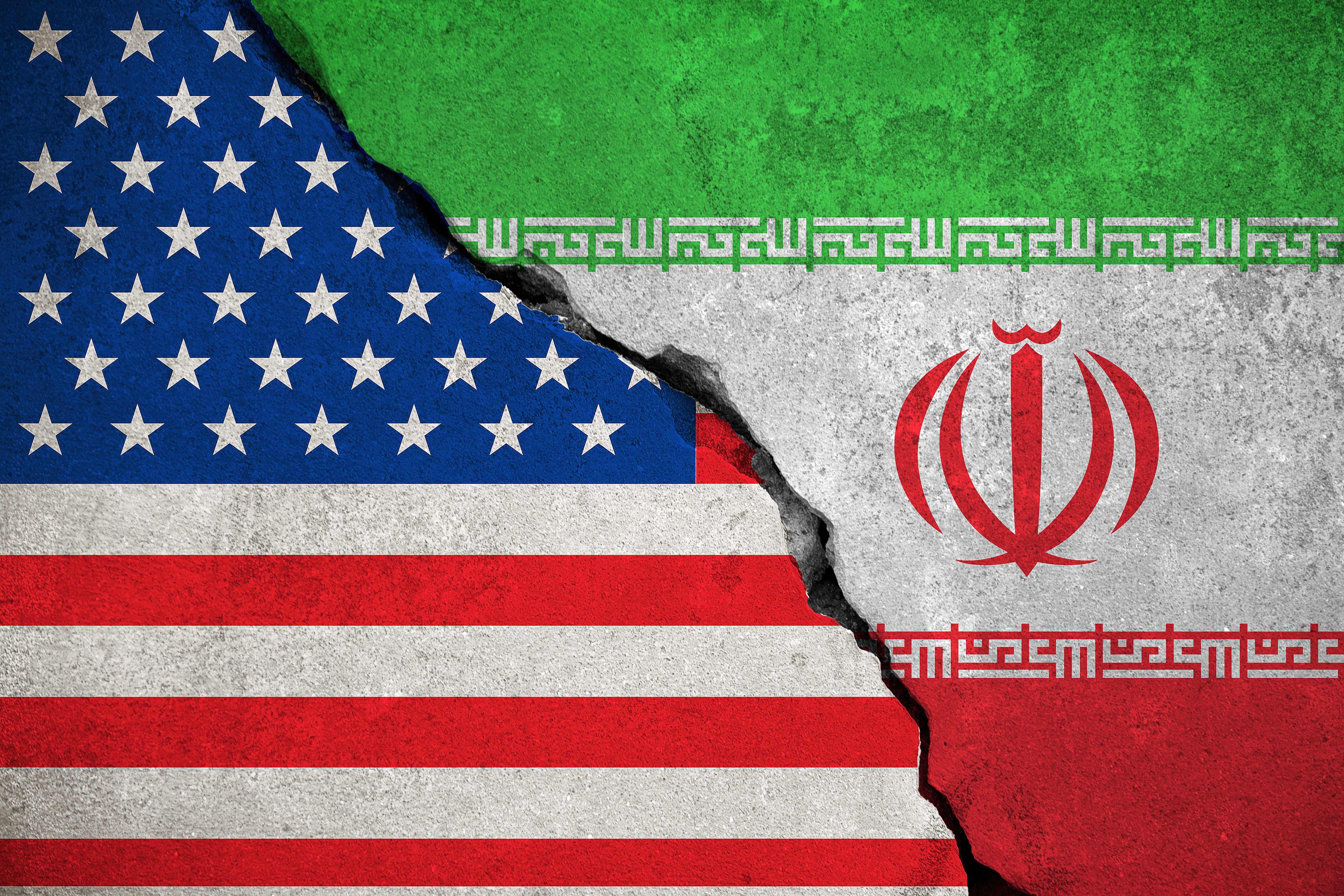
Geopolitical tensions between the United States and Iran have long been a significant driver of volatility in global oil markets. Because both countries play influential roles in the international energy system—one as a major oil producer and the other as a dominant geopolitical and economic power—their conflict can affect supply expectations, market sentiment, and ultimately oil prices. This article examines how the U.S.–Iran conflict influences oil prices through supply risks, strategic chokepoints, market psychology, and long-term market dynamics.
1. Supply Disruption Risks
One of the primary ways the U.S.–Iran conflict affects oil prices is through the potential disruption of oil supply. Iran is one of the largest oil producers within OPEC+, producing millions of barrels of crude oil per day and exporting significant quantities to global markets. Any escalation in tensions—such as sanctions, military action, or restrictions on exports—can remove Iranian oil from the global supply chain, pushing prices upward. In fact, analysts estimate that if Iranian exports were significantly disrupted, global benchmark oil prices could rise sharply, potentially reaching much higher levels than baseline forecasts.
Even when actual disruptions do not occur, the possibility alone often leads to price increases as traders anticipate shortages. This phenomenon, commonly referred to as a “risk premium,” reflects the market’s expectation of potential supply constraints.
2. The Strategic Importance of the Strait of Hormuz
Another crucial factor linking the U.S.–Iran conflict to oil prices is the Strait of Hormuz, a narrow waterway that serves as one of the world’s most important oil transit routes. Approximately 20 million barrels of oil—around one-fifth of global consumption—pass through this chokepoint every day.
Because Iran is geographically positioned along the strait, heightened tensions raise fears that shipping could be disrupted or blocked. Analysts warn that even partial interference with oil tankers could significantly increase prices, while a prolonged closure could push prices above historical averages due to supply shortages.
Consequently, any military escalation or threat related to the strait tends to immediately affect oil markets, often causing sudden price spikes.
3. Market Expectations and Price Volatility
Oil markets are highly sensitive to geopolitical developments, meaning that news about negotiations, military activity, or diplomatic tensions between the United States and Iran can trigger rapid price movements. For instance, recent tensions have pushed oil prices to near multi-month highs as traders anticipated potential disruptions before diplomatic talks.
Importantly, oil prices often respond to expectations rather than actual changes in supply. Even statements from political leaders or the withdrawal of diplomatic personnel can influence investor confidence and drive market speculation. As a result, the U.S.–Iran conflict contributes to higher volatility, with prices fluctuating based on perceived risk levels.
4. Broader Economic and Inflationary Effects
Rising oil prices caused by geopolitical tensions can have wider economic consequences. Higher crude prices increase transportation and energy costs worldwide, which can contribute to inflation and affect economic growth. Recent increases in oil prices tied to Middle Eastern tensions have already raised concerns that energy costs could shift from dampening inflation to pushing it higher.
Furthermore, governments and central banks must respond to these price shifts, potentially altering monetary policy or releasing strategic petroleum reserves to stabilize markets.
5. Long-Term Market Dynamics
Despite the strong short-term impact of conflict, long-term oil prices depend on broader supply and demand fundamentals. Increased production from other countries, strategic reserves, and OPEC+ policy decisions can offset the effects of geopolitical tensions. In some cases, analysts suggest that even conflicts may only temporarily elevate prices if global supply remains adequate.
Nevertheless, the U.S.–Iran conflict remains a persistent risk factor in energy markets because it affects one of the most strategically important oil-producing regions in the world.
Conclusion
In summary, the U.S.–Iran conflict plays a crucial role in shaping global oil prices through supply risks, the vulnerability of key shipping routes, and market speculation. While the immediate effects are often seen in price spikes and volatility, the long-term impact depends on global production levels, diplomatic developments, and the resilience of energy supply chains. As long as tensions persist in the region, oil markets are likely to remain sensitive to developments between the United States and Iran.